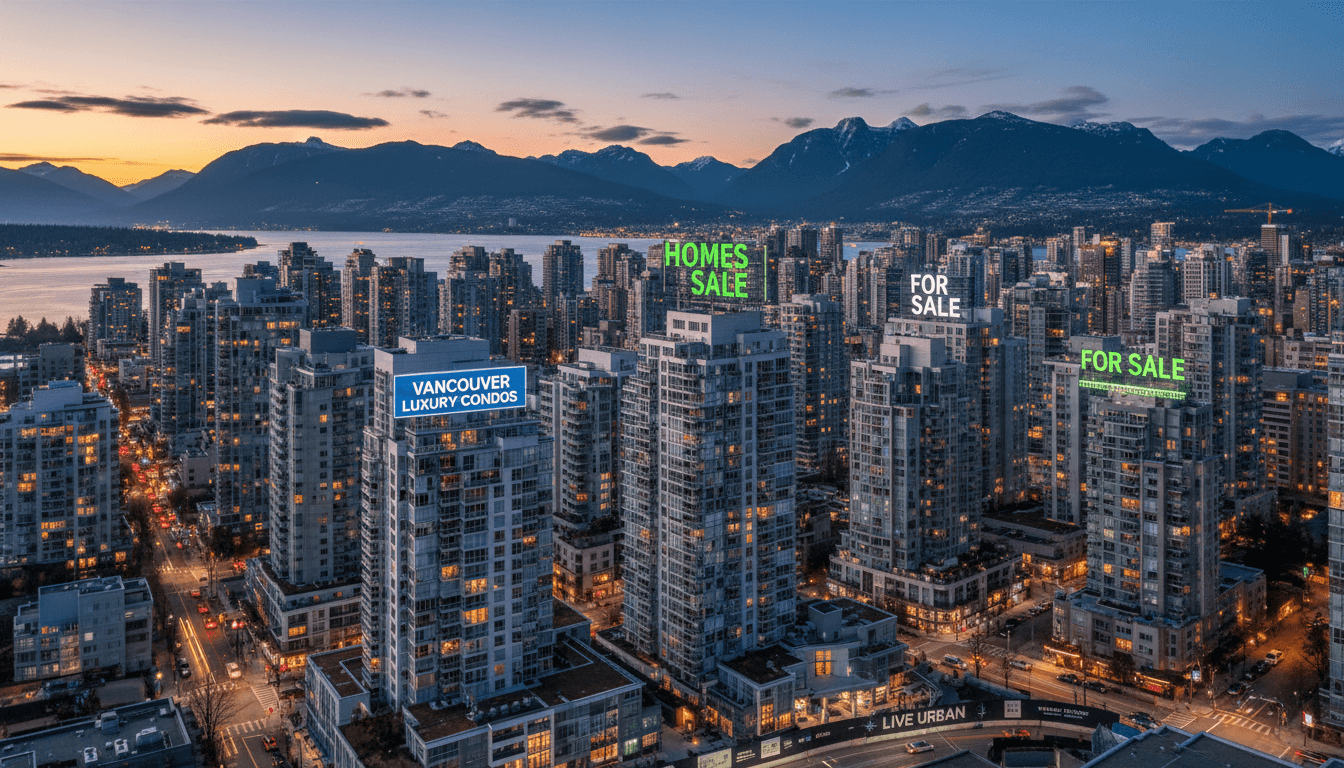
To finance a court-ordered sale BC, buyers should secure a firm mortgage pre-approval and complete all property inspections before the court hearing, as these homes are sold without standard financing subjects. Most lenders require a professional appraisal and verified down payment to ensure the transaction completes within the required seven to ten days after the court issues the vesting order.
Navigating the financial landscape of a court-ordered sale in British Columbia often feels like a race against a clock that you do not control. Most buyers enter the process expecting standard mortgage protocols; however, they quickly find that the "As Is, Where Is" nature of foreclosures makes traditional banks exceptionally cautious. This gap between expectation and reality can lead to collapsed deals or lost deposits if your financing is not structured correctly from the outset. Understanding the nuances of court-ordered sales is essential for any serious investor or homebuyer in 2026. This guide examines why lenders hesitate with distressed properties; it also details the necessity of an iron-clad pre-approval. We will explore down payment requirements, the role of CMHC insurance, and when to pivot toward private lenders or bridge loans to ensure your bid stands up in the Supreme Court of British Columbia.
The Unique Challenges of Financing Court Ordered Sales in British Columbia
Court-ordered sales in British Columbia represent a high-reward, high-complexity real estate strategy. In high-demand markets like Vancouver, Richmond, or Burnaby, these properties frequently sell for 10 to 20 percent below current market valuations. However, the path to these savings is paved with financial hurdles that differ significantly from a standard MLS transaction. The primary obstacle when you attempt to finance court-ordered sale BC properties is the inherent conflict between the legal system and the banking system.
The BC Supreme Court requires a final, unconditional offer before it will grant an Order Approving Sale. While you may include financing subjects in your preliminary offer to the lender, those subjects must be removed before your bid reaches the judge's desk. This creates a critical tension; the court demands a firm commitment, yet many traditional lenders are hesitant to provide firm approval without a thorough appraisal and property inspection. Because the property is sold under "as is, where is" conditions, the lender has no recourse against the seller for hidden defects. Successfully navigating this specific pressure point requires professional guidance and a proactive approach to due diligence. Matthew Liang specializes in helping clients bridge this gap through daily listing alerts and practical expertise in distressed assets. For assistance with your specific situation, contact Matthew Liang.
Why Traditional Lenders Hesitate with As Is Where Is Properties
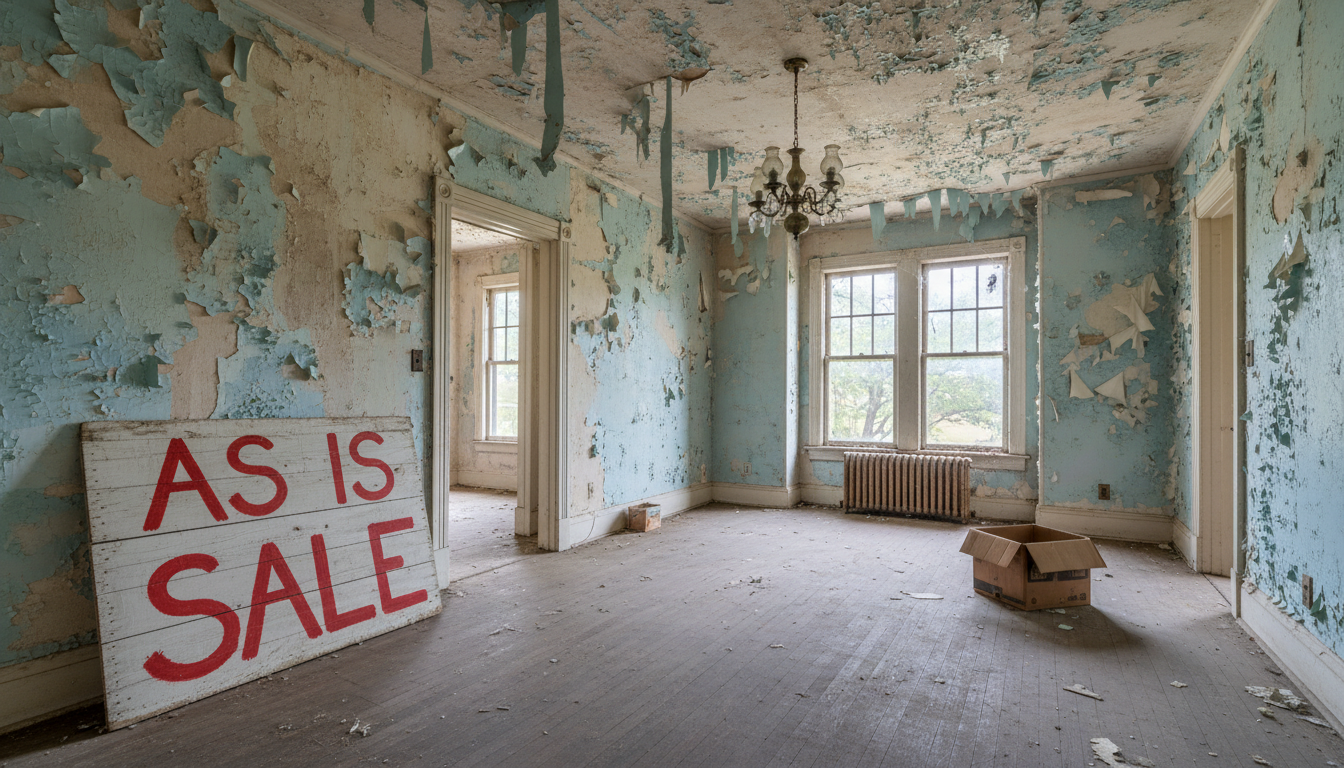
The "As Is, Where Is" clause is the defining feature of a foreclosure purchase. It mandates that you accept the property exactly as it stands at the moment of completion, including any hidden defects, structural issues, or environmental concerns. Unlike a typical residential sale in Vancouver or Richmond, there is no Property Disclosure Statement (PDS). Because the seller is a financial institution or the court rather than an individual occupant, they provide zero warranties regarding the condition of the home or its systems.
This lack of transparency is precisely why major banks and traditional lenders remain cautious. When you attempt to finance court-ordered sale BC transactions, you must realize that from the bank's perspective, the collateral for the loan is unverified. If significant problems emerge after the sale, the lender cannot hold the seller liable for misrepresentation or failure to disclose. This risk profile often leads to stricter appraisal requirements. If an appraiser determines a property is uninhabitable, meaning it lacks a functioning kitchen, has major mold infestations, or suffers from significant structural failures, traditional financing usually becomes impossible.
To secure the most competitive interest rates and standard mortgage terms, focus your search on properties that remain in liveable condition. While fixer-uppers offer a high potential upside, they often require alternative or private lending solutions. Matthew Liang provides professional guidance to help you evaluate which properties meet the marketable criteria of A-lenders. By reviewing daily listing alerts, you can identify distressed properties that still maintain their habitability. For a detailed assessment of a specific listing's financeability, contact Matthew Liang before proceeding with an offer.
The Necessity of an Iron Clad Mortgage Pre Approval

A standard pre-approval is insufficient when you prepare to finance court-ordered sale BC opportunities. Most buyers are familiar with a basic pre-approval, which is often little more than a cursory glance at credit scores and stated income. For a foreclosure, you require a file-underwritten approval. This means a mortgage underwriter has reviewed your actual pay stubs, tax returns, and down payment verification before you ever commit to a bid. This proactive step ensures the lender is comfortable with both your financial profile and the specific risks associated with distressed assets.
The legal structure of a court-ordered sale demands this level of certainty because you must remove all subjects, including financing, before the court date. Once you appear before the BC Supreme Court judge, your offer is firm and binding. There is no cooling-off period or secondary financing clause. If the court grants the Order Approving Sale and your financing subsequently fails, the consequences are severe. You will likely forfeit your entire deposit, which is typically 10 percent of the purchase price. Furthermore, you can be sued for the difference if the property eventually sells to another buyer for a lower price than your original bid.
Secures professional guidance from a mortgage broker who understands the nuances of BC foreclosure law is vital. They must account for the compressed timelines and the lender’s specific requirements for properties sold without warranties. Matthew Liang helps clients navigate these high-stakes requirements by providing daily listing alerts that include essential property details for lender review. To ensure your financing is truly iron clad, contact Matthew Liang to discuss the underwriting standards for current distressed listings in Vancouver and Richmond.
Managing the 10 Percent Deposit and the Court Hearing Timeline
Transitioning from a firm approval to the actual courtroom requires precise liquidity management. When you attend the hearing to finance court-ordered sale BC opportunities, you must arrive prepared with a non-refundable deposit. This typically amounts to 10 percent of your purchase price, submitted via a certified cheque or bank draft. Unlike a standard transaction where you might have days to wire funds after an offer is accepted, the court expects this capital to be ready immediately upon the granting of the Order Approving Sale.
The timeline following the judge’s approval is a rapid sprint. While a typical residential closing in Metro Vancouver might span 30 to 60 days, court-ordered completions usually occur within 7 to 14 days. This compressed window leaves zero margin for error regarding mortgage funding or legal documentation. You must ensure your liquid funds are not locked in non-redeemable GICs or accounts requiring lengthy holding periods for transfers.
Preparing for this accelerated schedule is a core component of the professional guidance provided to clients. Investors should coordinate with their lenders and legal counsel weeks in advance to ensure mortgage instructions are ready for immediate execution once the court order is issued. By monitoring daily listing alerts, you can track potential court dates and align your capital accordingly. For a detailed breakdown of the logistics for an upcoming hearing, contact Matthew Liang.
Down Payment Requirements: 5 Percent vs 20 Percent for BC Foreclosures
The question of how much capital is required upfront often centers on the 5 percent versus 20 percent down payment debate. Under current CMHC guidelines, a 5 percent down payment is legally permissible for primary residences with a purchase price below $500,000. However, when you finance court-ordered sale BC properties, the reality on the ground is often more conservative. Major lenders frequently demand a full 20 percent down payment to mitigate the risks associated with the as-is nature of the asset. This higher threshold acts as a buffer against potential property damage or legal complications that might arise before the completion date.
A critical factor for buyers is the difference between the purchase price and the lending value. Traditional banks lend based on the lower of the two figures. If an appraiser determines the property is worth less than your bid due to its distressed state, you must cover the appraisal gap in cash. This is common in competitive court environments where bids can escalate quickly.
Scenario Component | Calculation |
|---|---|
Purchase Price (Court Bid) | $600,000 |
Bank Appraised Value | $570,000 |
Maximum Loan (80% of Appraised Value) | $456,000 |
Required Cash for Appraisal Gap | $30,000 |
Base 20% Down Payment | $114,000 |
Total Cash Required at Closing | $144,000 |
In this hypothetical Vancouver condo example, the buyer needs significantly more liquidity than a standard 20 percent calculation would suggest. This liquidity requirement makes professional guidance indispensable during the bidding phase. Understanding these math-heavy nuances ensures you do not overextend your capital. Matthew Liang provides daily listing alerts to help you find properties where the appraisal is likely to align with market expectations. For a personalized analysis of your down payment strategy, contact Matthew Liang.
CMHC and Mortgage Insurance on Distressed Properties
High-ratio buyers often rely on mortgage default insurance from CMHC, Sagen, or Canada Guaranty to secure a home with less than 20 percent down. However, when you attempt to finance court-ordered sale BC listings, these insurers apply rigorous livability standards that many distressed properties fail to meet. Their primary concern is the immediate habitability of the asset. If an appraiser notes a missing kitchen, stripped plumbing, or a gutted bathroom, the insurer will likely decline the application because the property cannot be occupied in its current state.
This refusal effectively removes the option for a low down payment. You are then pushed into conventional financing territory, requiring at least 20 percent equity, or into the higher interest rates of private lenders. Because high-ratio insurance is frequently denied on shell properties or severe fixer-uppers, buyers must prioritize professional guidance to identify which units qualify for standard insurance versus those that require significant capital. Matthew Liang provides daily listing alerts that help filter properties based on their structural condition and financeability. To verify if a specific distressed property meets CMHC or Sagen requirements, contact Matthew Liang for an expert evaluation of the listing’s current status.
Alternative Financing: When to Use Private Lenders or Bridge Loans
When a property fails the strict habitability tests of traditional banks, you must pivot to alternative sources to finance court-ordered sale BC opportunities. Private lenders serve as the primary solution for distressed assets that require significant remediation. Unlike A-lenders, who scrutinize the property's current condition and cosmetic appeal, private lenders prioritize equity and the Loan-to-Value (LTV) ratio. If a Vancouver fixer-upper is priced low enough that the lender's risk is mitigated by substantial land value, a private lender may provide the necessary funds despite missing kitchens or structural concerns. These loans typically carry higher interest rates and fees, but they allow you to secure the asset and move toward the renovation phase.
Another option is the Purchase Plus Improvements mortgage, which allows you to bundle renovation costs into the primary loan. However, coordinating this within the rigid BC Supreme Court timeline is exceptionally difficult. You must obtain detailed, firm contractor quotes and secure lender approval before the court date, leaving no room for administrative delays. Matthew Liang provides the professional guidance necessary to determine which financing path fits a specific listing. By reviewing daily listing alerts, you can filter for properties that align with your available capital and risk tolerance. To evaluate a specific property's potential for private or alternative funding, contact Matthew Liang for a detailed analysis of the listing's viability.
Navigating the world of court ordered sales in British Columbia requires a blend of financial readiness and legal awareness. Success in 2026 depends on your ability to act quickly while respecting the unique protocols of the court system. If you want expert help managing these moving parts, working with a specialist can provide the clarity you need. You can find more information About our experience and how we guide clients through every stage of the foreclosure process. We look forward to helping you secure your next investment with confidence.