
BC court ordered sale carrying costs consist of ongoing expenses such as property taxes, strata fees, insurance premiums, and mortgage interest that accumulate while waiting for court approval. These cumulative costs can quickly erode potential profits, making it critical for buyers to budget for delays and property maintenance throughout the legal process.
Many investors enter the BC foreclosure market lured by the promise of a significant discount, yet they often overlook the burn rate that quietly erodes their potential margins. In the high stakes environment of court ordered sales, the price on the contract is rarely the final cost of acquisition. Between the mandatory waiting periods for court dates and the rigid as is, where is nature of these transactions, carrying costs can quickly escalate from minor line items into deal breaking expenses. This article provides a professional breakdown of the financial obligations inherent in Metro Vancouver foreclosures. We will examine how court delays inflate interest, the hidden impact of strata arrears and special levies, and the specific insurance penalties associated with vacant properties. By the end, you will have a practical framework to calculate your true net discount and protect your investment returns from the unseen costs of the legal process.
Understanding the Burn Rate in BC Court Ordered Sales

In the context of a British Columbia foreclosure, carrying costs represent the total financial drain on your capital from the moment the court grants the Vesting Order until the property is either cash-flow positive or liquidated. While many investors flock to our daily listing alerts looking for a 10 percent discount, the sticker price is often deceptive. The true profitability of a deal is dictated by the burn rate: the daily cost of holding the investment before it is tenant-ready or resold.
Unlike a traditional residential transaction in Vancouver where costs are relatively predictable, bc court ordered sale carrying costs include unique burdens that can quickly erode a projected margin. In a standard sale, a buyer might negotiate for the seller to clear debris or provide credits for deferred maintenance. However, the As Is, Where Is nature of a court-ordered sale in BC means that traditional vendor adjustments are virtually non-existent. You are not just buying the physical structure; you are assuming the financial baggage left behind by the previous owner.
In markets like Richmond and Burnaby, these distressed assets often come with heightened risks. The burn rate begins the moment the court approves the sale, encompassing high-interest bridge financing, specialized insurance premiums for vacant dwellings, and municipal penalties that the petitioner will not cover. When you seek court ordered sale professional guidance, the first step is distinguishing between standard ownership costs and the specific liabilities attached to a foreclosed title. Understanding this distinction is vital to ensuring that a perceived discount does not transform into a market-value purchase once the keys are in hand. You can read more about our foreclosure expertise to see how we analyze these specific Metro Vancouver variables.
The Timeline Trap: How Court Delays Inflate Your Costs

In a traditional Vancouver real estate transaction, the timeline from subject removal to completion is a negotiated certainty. In a BC court-ordered sale, however, the schedule is dictated by the availability of the BC Supreme Court. This unpredictability creates a significant expansion of bc court ordered sale carrying costs that most novice investors fail to model accurately. The process begins with an accepted offer, followed by a standard due diligence period for inspections and financing. Once subjects are removed, the petitioner’s lawyer must schedule a hearing date. This gap between subject removal and the court hearing is the first major variable; depending on court backlogs, you may wait three to six weeks just to see a judge.
Once the judge grants the Vesting Order, the clock starts on the final closing. Typically, possession occurs 14 to 30 days after the court date. If you are utilizing bridge financing or private capital to secure the deal, every day spent waiting for a court appearance or a completion date is capital that is not working. Consider a local example: if you are carrying a $1,000,000 mortgage at current investment rates of approximately 7 percent, every single week of delay costs you over $1,345 in pure interest. A four-week delay in securing a court date effectively adds over $5,300 to your acquisition cost before you even have the keys.
These delays can also lead to complications with your lender. Many standard mortgage pre-approvals have strict expiry dates. If a court delay pushes your completion past your rate lock, you may be forced into a higher interest bracket, permanently increasing your monthly carrying costs. When navigating these waters, seeking court ordered sale professional guidance is essential to anticipate these lulls. It is often necessary to buffer your budget for at least 45 days of "dead time" interest to ensure that a scheduling hiccup does not turn a profitable flip into a break-even struggle.
Strata Arrears and Special Levies in Metro Vancouver
When acquiring a condominium or townhouse in Richmond, Burnaby, or Vancouver, the most dangerous variable in bc court ordered sale carrying costs is often the strata ledger. Standard real estate contracts in British Columbia typically mandate that the seller clears all strata arrears, fines, and special levies from the sale proceeds at completion. In a court ordered sale, however, the petitioner replaces the standard contract with a custom Schedule A. This document almost always shifts the responsibility for all outstanding strata debts directly to the buyer.
For a distressed unit in a Burnaby high-rise or a Richmond townhome, these costs are rarely negligible. If the previous owner defaulted on their mortgage, it is highly probable they also ceased paying their monthly strata fees and any active special levies. Unlike a traditional seller, the bank will not provide a credit for these amounts. You must treat these arrears as a direct addition to your purchase price. This is where many investors lose their margin; they see a property priced 10 percent below market but fail to account for $15,000 in unpaid rain-screening levies or years of accumulated fines for by-law infractions.
To protect your investment, you must meticulously scrutinize the Form B Information Certificate during your due diligence period. This document discloses the exact amount of unpaid fees and any upcoming levies for major capital projects. Seeking court ordered sale professional guidance is essential to interpret these documents and verify which costs will stay with the property. At Matthew Liang BC Foreclosure Listings, we help clients review these certificates and our daily listing alerts to ensure that strata burdens are baked into the initial offer. This careful analysis prevents a perceived deal from turning into a financial liability the moment the Vesting Order is signed.
Insurance Premiums and the As Is Where Is Penalty
Securing coverage for a distressed asset involves a significant "as is where is" penalty that many buyers overlook. In the Metro Vancouver market, standard insurers often view foreclosures as high risk due to the potential for deferred maintenance, vandalism, or unauthorized occupancy. If the property has been sitting empty during the redemption period or the court process, it will likely require a vacancy permit. Most standard homeowner policies expire or become void if a property is left vacant for more than 30 days, forcing the buyer to seek specialized high-risk insurance through non-traditional brokers.
These premiums are a heavy component of bc court ordered sale carrying costs, frequently costing two to three times more than a standard residential policy. For a single-family home in Vancouver or Surrey, you might see monthly premiums jump from $150 to over $450 while the property remains unoccupied during renovations or the resale period. Furthermore, these policies often come with higher deductibles and more restrictive coverage terms, such as excluding water damage or glass breakage. When you read about our foreclosure expertise, you will find that we emphasize getting firm insurance quotes during the subject removal period. Failing to account for these inflated premiums can quickly erode the monthly cash flow projections for your investment before a single tenant is placed.
Property Tax Adjustments and Unpaid Utilities
Property tax adjustments represent another layer of complexity within bc court ordered sale carrying costs. In a standard residential transaction, taxes are neatly apportioned between the buyer and seller based on the completion date. In a foreclosure, however, the previous owner has often defaulted on municipal taxes alongside their mortgage. While the petitioner (the bank) typically pays down the bulk of these arrears to protect their priority on the title, they rarely cover everything.
Investors must account for the "stub period" and associated late-payment penalties. If the bank paid the taxes six months ago to prevent a municipal tax sale, any interest or penalties accrued since that date may remain as a lien against the property. Furthermore, in municipalities like Vancouver and Surrey, utility arrears for water and sewer services stay with the property rather than the individual. These debts do not disappear upon the granting of a Vesting Order; they simply become the new owner's responsibility.
Before submitting a bid, it is vital to contact the municipal tax office to confirm the exact balance of outstanding utilities and tax penalties. When you utilize court ordered sale professional guidance, this level of due diligence is prioritized to ensure you are not blindsided by a $4,000 utility bill on closing day. We encourage clients to review our daily listing alerts with the understanding that the listed price is only the beginning of the financial calculation. You can learn more about our foreclosure expertise to see how we help buyers navigate these municipal debt traps in the Metro Vancouver market.
Security and Maintenance During the Vacancy Gap
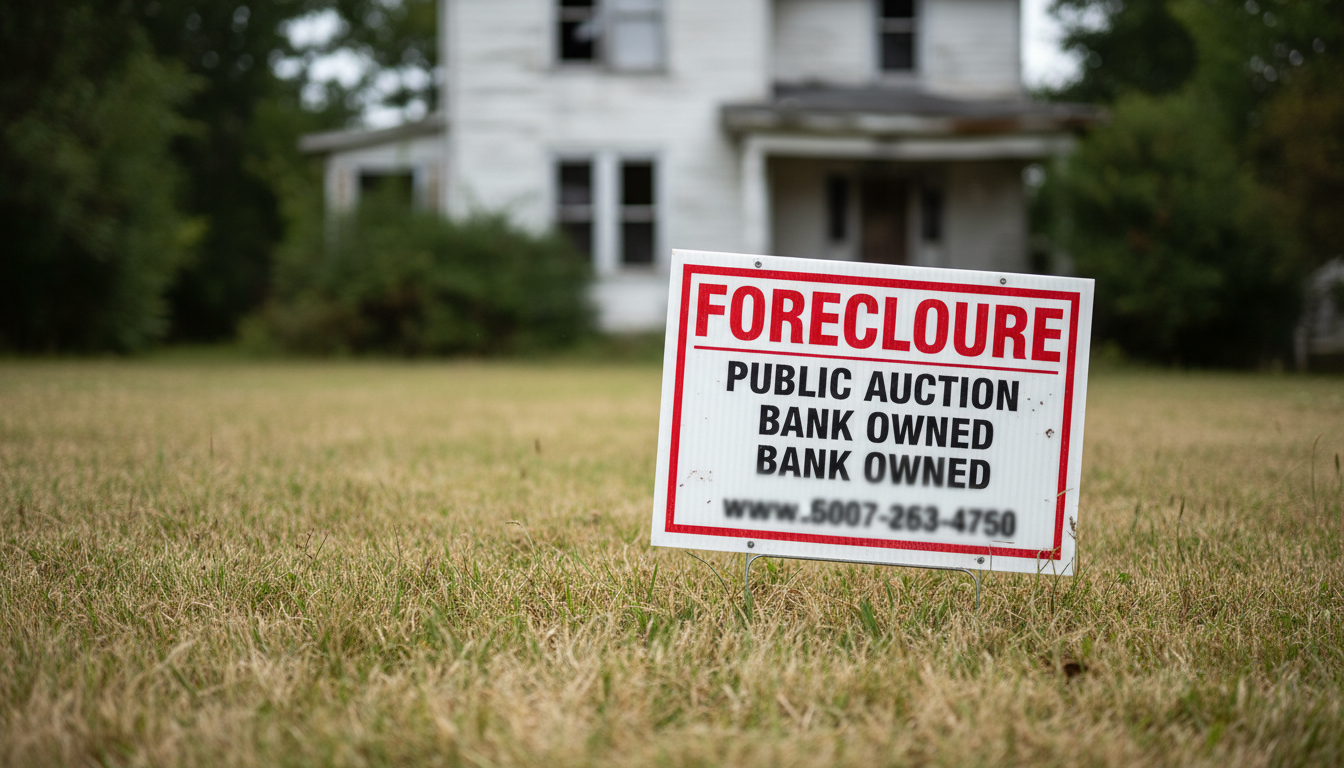
Physical upkeep represents the final, often overlooked category of bc court ordered sale carrying costs. Once the court grants possession and the previous owner is evicted, the property frequently sits vacant while you finalize renovation plans or building permits. This vacancy gap requires immediate capital outlay for professional security. In areas like Surrey or Langley, vacant properties are frequent targets for vandalism; installing temporary alarm systems or boarding unsecured windows is a necessary defensive expense.
Environmental factors also dictate your maintenance budget. If you take possession during a Fraser Valley winter, you must pay for professional winterization to prevent catastrophic pipe bursts. Neglecting lawn maintenance or debris removal can trigger municipal fines from the City of Vancouver or Burnaby, adding unnecessary friction with local by-law officers. Between re-keying every lock, hiring landscaping crews, and maintaining 24/7 security monitoring, these miscellaneous expenses can aggregate into thousands of dollars before your primary renovation even begins. When seeking court ordered sale professional guidance, we help you audit these physical risks to ensure your renovation budget remains intact.
How to Calculate Your True Net Discount
To determine if a listing is a genuine opportunity, you must calculate the Net Discount rather than relying on a simple comparison to local benchmarks. This calculation starts with the Gross Discount, the difference between the current market value and your offer price, and then subtracts the sum of your projected carrying costs. Use this checklist to build your financial model:
Interest: Total debt service for a 45 to 60 day holding period, accounting for court delays.
Strata Arrears: All unpaid fees and active special levies disclosed on the Form B Information Certificate.
Insurance: The specific surcharge for high-risk vacancy coverage while the property is unoccupied.
Security and Maintenance: Immediate outlays for re-keying, monitoring, and seasonal upkeep.
Municipal Utilities: Outstanding water and sewer balances that stay with the title.
If the aggregate of these bc court ordered sale carrying costs exceeds 3 percent of the purchase price, a property marketed at a 10 percent discount is often a market-value purchase in disguise. Matthew Liang BC Foreclosure Listings provides court ordered sale professional guidance to assist investors with this granular due diligence. By analyzing our daily listing alerts through this quantitative lens, you can identify properties where the profit margin remains intact even after accounting for the court process. You can learn more about our foreclosure expertise to see how we help clients navigate these complex financial evaluations.
Understanding the various carrying costs involved in a BC court ordered sale is essential for any savvy investor. While these properties offer significant potential, overlooking expenses like strata fees, taxes, or maintenance can quickly erode your projected returns. Success in this market requires a careful balance of due diligence and strategic bidding. If you want expert help navigating these complexities or finding the right opportunities, you can read more About us and our specialized experience in the foreclosure market. We are here to ensure your investment journey remains profitable and clear.