
A court ordered sale in BC typically takes six to nine months from the start of foreclosure proceedings to completion, though the marketing and court approval phase usually spans two to four months. Factors such as the owner's redemption period and the one to three weeks required for a final court hearing determine how long does a court ordered sale take in BC for most buyers.
Navigating the timeline of a court ordered sale in British Columbia often feels like navigating a legal labyrinth. Many prospective buyers find themselves frustrated by the lack of clarity regarding when they can actually move in or finalize their financing. This uncertainty can be a significant hurdle for those used to the predictable pace of a standard residential transaction. Understanding the specific mechanics of the judicial process is essential for anyone looking to capitalize on foreclosure opportunities without falling victim to unexpected delays. In this guide, we provide a practical breakdown of the entire process from the initial listing to the moment you receive the keys. You will learn about the typical duration of subject removals, the wait times for a scheduled court date, and the standard completion periods that follow a successful bid.
Understanding the Court Ordered Sale Timeline in British Columbia
A court-ordered sale in British Columbia is a judicial process where a lender, typically a bank, receives permission from the BC Supreme Court to sell a property after a borrower defaults. Unlike a standard transaction in Vancouver or Richmond where you negotiate directly with a homeowner, the legal seller here is the court. This shift in authority introduces unique legal gatekeepers, including lawyers and judges, who ensure the property is sold at fair market value to protect all stakeholders.
Determining how long does a court ordered sale take in BC requires looking past the usual 30 to 60 day window of a standard residential transaction. While a typical home buyer might move from offer to possession in two months, the forensic nature of a distressed sale often extends this period. This guide focuses on the specific timeline from the moment a property appears on the MLS to the day you receive the keys, with a focus on markets like Vancouver, Richmond, and Burnaby.
Successful buyers must balance patience with rapid action. While the process is slower due to court availability, once a date is set, the pace accelerates. Accessing daily foreclosure listing alerts and obtaining professional guidance for court ordered sales are essential steps to navigating these complexities. For specific questions about current registry delays in New Westminster or Vancouver, you can contact our Vancouver real estate experts for real time updates.
Phase 1: Finding the Listing and Due Diligence (1 to 14 Days)
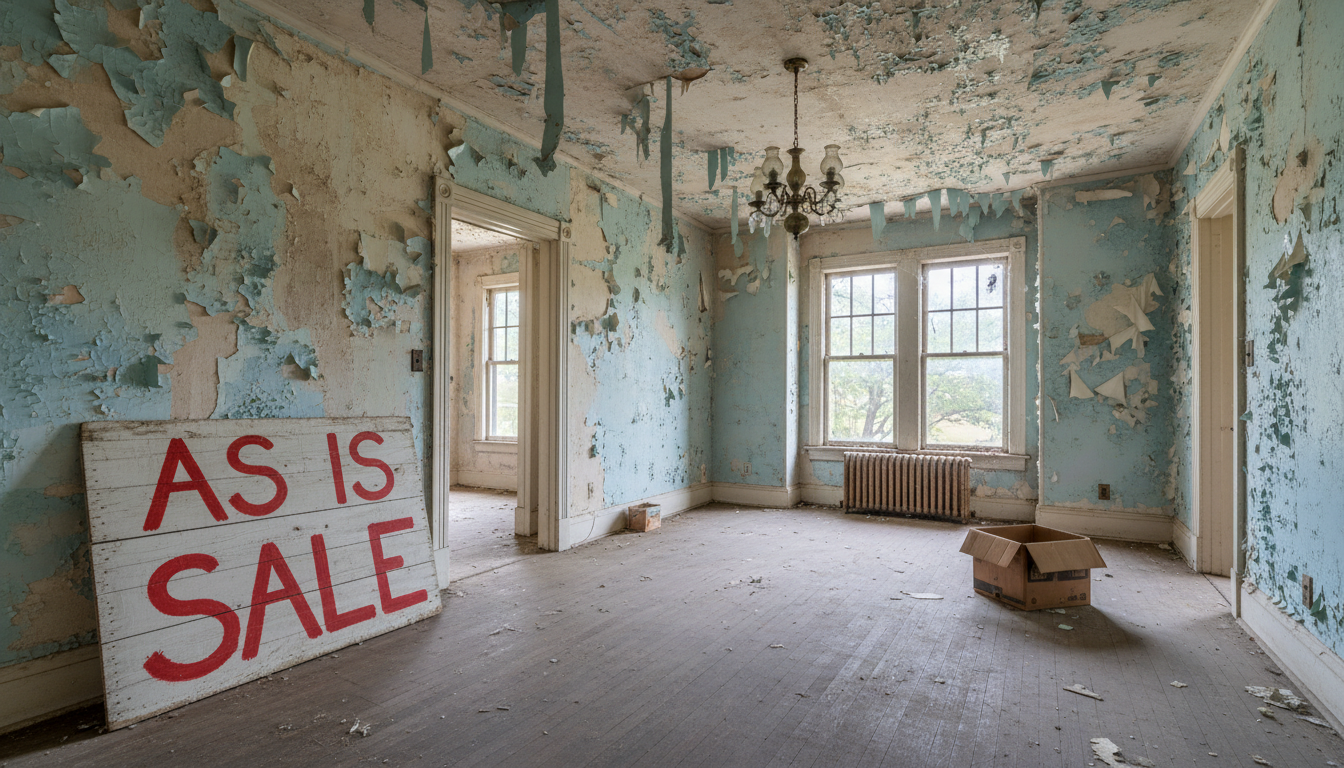
Identifying the right opportunity starts with a disciplined search for distressed properties in high-demand markets like Richmond or Burnaby. Most buyers rely on daily foreclosure listing alerts to track these opportunities as soon as they hit the MLS. Because the court will not provide warranties or representations regarding the property condition, your due diligence must be thorough and rapid. In a court-ordered sale, the "as is where is" clause means you accept the home exactly as it stands, making the first 14 days critical for investigative work.
You must review the Schedule A, which is the legal addendum provided by the lender's lawyer. This document typically supersedes the standard Contract of Purchase and Sale and removes many of the protections common in residential transactions. Simultaneously, you need to conduct a title search to identify any secondary mortgages or certificates of pending litigation. If you are eyeing a condo in Vancouver, reviewing at least two years of strata minutes, the depreciation report, and the Form B is essential. This paperwork provides the only real insight into the property's financial and structural health since the seller is a legal entity with no personal knowledge of the home.
Scheduling viewings can be the most unpredictable variable in this phase. If the property is still occupied by the owner or a tenant, they may not be motivated to facilitate access. This can add several days to your timeline as your agent coordinates with the conduct of sale representative. Navigating these early hurdles requires professional guidance for court ordered sales to ensure no red flags are missed. Understanding how long does a court ordered sale take in BC requires recognizing that this front-loaded due diligence period is the foundation for a successful bid.
Phase 2: From Initial Offer to Subject Removal (7 to 14 Days)
Once you identify a potential investment, the transition from viewing to securing an accepted offer happens rapidly. In a standard Vancouver residential transaction, you might negotiate back and forth or include a generous 14 day subject period. However, lenders managing BC foreclosures prioritize efficiency and typically demand much shorter subject windows, often restricted to 7 or 10 days. During this tight timeframe, you must clear the two primary hurdles: financing and inspection.
The "subject to financing" stage is particularly rigorous in court ordered sales. Since the property is sold "as is where is," some traditional lenders may be hesitant if the appraisal reveals significant deferred maintenance or structural issues in a Burnaby condo or a Richmond townhouse. You must ensure your mortgage broker or bank is familiar with the judicial sale process to avoid last minute funding denials. Simultaneously, the "subject to inspection" period is your final opportunity to verify the home's condition. If any deal breaking issues arise, they must be addressed or the offer collapsed within this short window, as there is no opportunity to renegotiate repairs with the court later.
Removing subjects represents the point of no return. Once you sign the subject removal document, your offer is legally binding and the lender’s lawyer will move to set a court date. At this stage, your deposit is typically due and held in trust. Because you are competing against the clock and potentially other bidders later in the process, obtaining professional guidance for court ordered sales is vital to ensure your paperwork is airtight. This stage is a major factor in determining how long does a court ordered sale take in BC, as any delay in subject removal can cause the lender to move on to a backup offer. You must be prepared to move with precision during this 7 to 14 day sprint.
Phase 3: The Wait for the Court Date (2 to 4 Weeks)

After you have removed all subjects, your offer is technically accepted but remains subject to court approval. This triggers a period of legal waiting that typically lasts between two and four weeks. During this time, the lawyer representing the lender must apply for a hearing date at the BC Supreme Court. In high volume registries like Vancouver or New Westminster, scheduling availability dictates the pace. This administrative bottleneck is a primary reason why how long does a court ordered sale take in BC can vary significantly compared to a standard residential transaction.
A common misconception is that the property is off limits once your subjects are cleared. In reality, the listing remains active on the MLS to ensure the court achieves the highest possible price for the property. Other interested parties can still book viewings and prepare competing bids during this window. You should continue to monitor daily foreclosure listing alerts to see if new competition is entering the market for similar properties in the area.
According to Practice Direction 66, any competing buyers must submit their offers in a sealed envelope to the lender's lawyer by 9:45 a.m. on the morning of the scheduled court date. This rule creates a unique blind auction environment that you must prepare for. Securing professional guidance for court ordered sales during this idle phase is essential to understand how to protect your position if a bidding war erupts at the registry.
Phase 4: The Court Hearing and the Vesting Order (1 Day)
When the court date finally arrives, the process shifts from administrative waiting to an immediate, high-stakes decision. On this day, typically held at the BC Supreme Court in Vancouver or New Westminster, the lender's lawyer presents the offer to a judge or master. If other buyers have been tracking the property via daily foreclosure listing alerts, they will present their sealed bids by the 9:45 a.m. deadline. This transforms the hearing into a blind auction where you generally get only one chance to submit your best and final price.
The judge’s primary responsibility is to confirm that the highest bid represents fair market value, protecting the interests of both the lender and the property owner. Once the judge selects the winning bid, they grant a Vesting Order. This critical legal document serves as the instrument that transfers the title to the buyer and clears existing financial charges from the record.
It is important to understand that the standard three-day Home Buyer Rescission Period does not apply to these transactions. Once the judge approves the bid and signs the order, the deal is final and legally binding with no opportunity to back out. Navigating this high-pressure environment requires professional guidance for court ordered sales to ensure your bid is competitive yet protected. This single day is the most decisive factor in determining how long does a court ordered sale take in BC, as it marks the transition from being a hopeful bidder to a legal homeowner.
Phase 5: Completion and Possession (14 to 30 Days After Court)

Once the judge signs the Vesting Order, the legal transfer of ownership begins. While the court hearing marks the end of competition, the final logistics of the transaction typically require another 14 to 30 days. This closing period is predetermined in the Schedule A you signed during the offer stage. It is important to distinguish between the completion date and the possession date. Completion is the day your lawyer transfers funds to the lender's counsel and registers the title at the Land Title Office. Possession, the moment you actually receive the keys, usually follows 24 to 48 hours later.
This final stage is where buyers must remain most vigilant. Because these are "as is where is" sales, the property's condition on possession day is exactly how it sits at that moment, with no guarantees of cleanliness or repair. A significant risk in the foreclosure market is the issue of vacant possession. If the previous owner or a holdover tenant refuses to vacate the property, you may face additional hurdles. While the Vesting Order typically grants the right to possession and authorizes a court bailiff to assist if necessary, these legal steps can add unexpected time to your move in schedule.
Investors often use this 30 day window to finalize their renovation teams or property management plans. If you are tracking multiple properties through daily foreclosure listing alerts, you will notice that possession dates are rarely negotiable; they are structured to ensure the lender's costs are capped quickly. Navigating these final hurdles requires professional guidance for court ordered sales to ensure your financing is ready for the exact minute the court demands. Understanding these logistical nuances is a major part of calculating how long does a court ordered sale take in BC from start to finish.
Summary Timeline: Court Ordered Sale vs. Standard Sale
Navigating the logistical differences between a traditional purchase and a judicial sale requires a clear understanding of specific benchmarks. While a standard residential transaction in Burnaby or Richmond often wraps up within 4 to 8 weeks, determining how long does a court ordered sale take in BC reveals a more extended window, usually spanning 8 to 12 weeks. The primary variable remains the BC Supreme Court schedule; registry backlogs in Vancouver and New Westminster can shift a court date by weeks without notice.
Stage | Standard Sale Timeline | Court Ordered Sale Timeline |
|---|---|---|
Due Diligence | 1 to 7 Days | 1 to 14 Days (Often Pre-offer) |
Subject Period | 7 to 14 Days | 7 to 10 Days (Strict) |
Legal Approval | Not Required | 2 to 4 Weeks (Wait for Court) |
Closing Period | 30 to 60 Days | 14 to 30 Days (Post-Vesting Order) |
Total Est. Time | 4 to 8 Weeks | 8 to 12 Weeks |
Buyers must recognize that the process prioritizes legal protocol over personal convenience. To stay updated on available inventory and timing, daily foreclosure listing alerts are essential tools. Because the court will not accommodate moving truck delays or financing hitches, obtaining professional guidance for court ordered sales ensures you are prepared for the rigid deadlines imposed by the judiciary. If you have questions about specific properties, you can contact our Vancouver real estate experts for an analysis of current registry wait times.